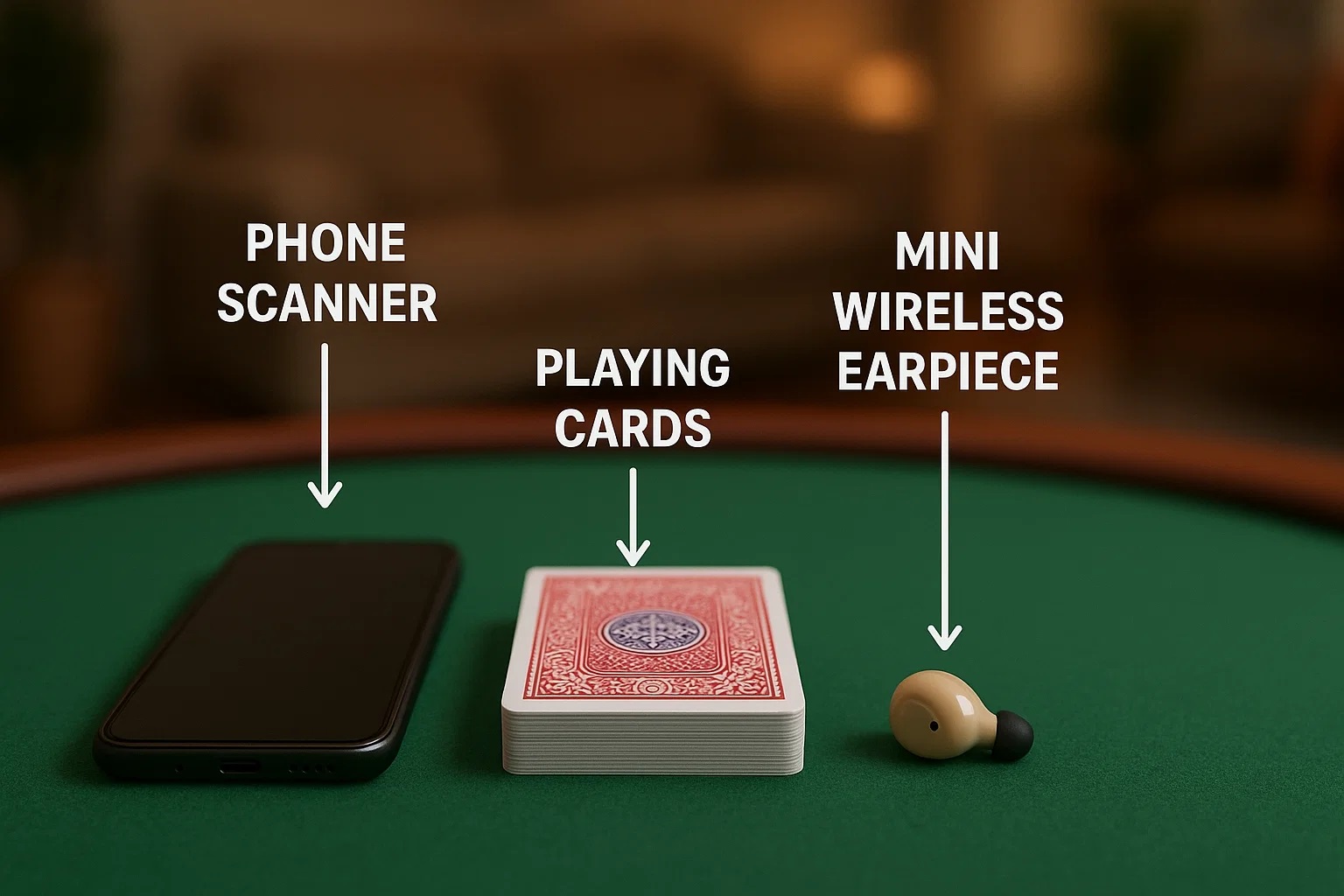
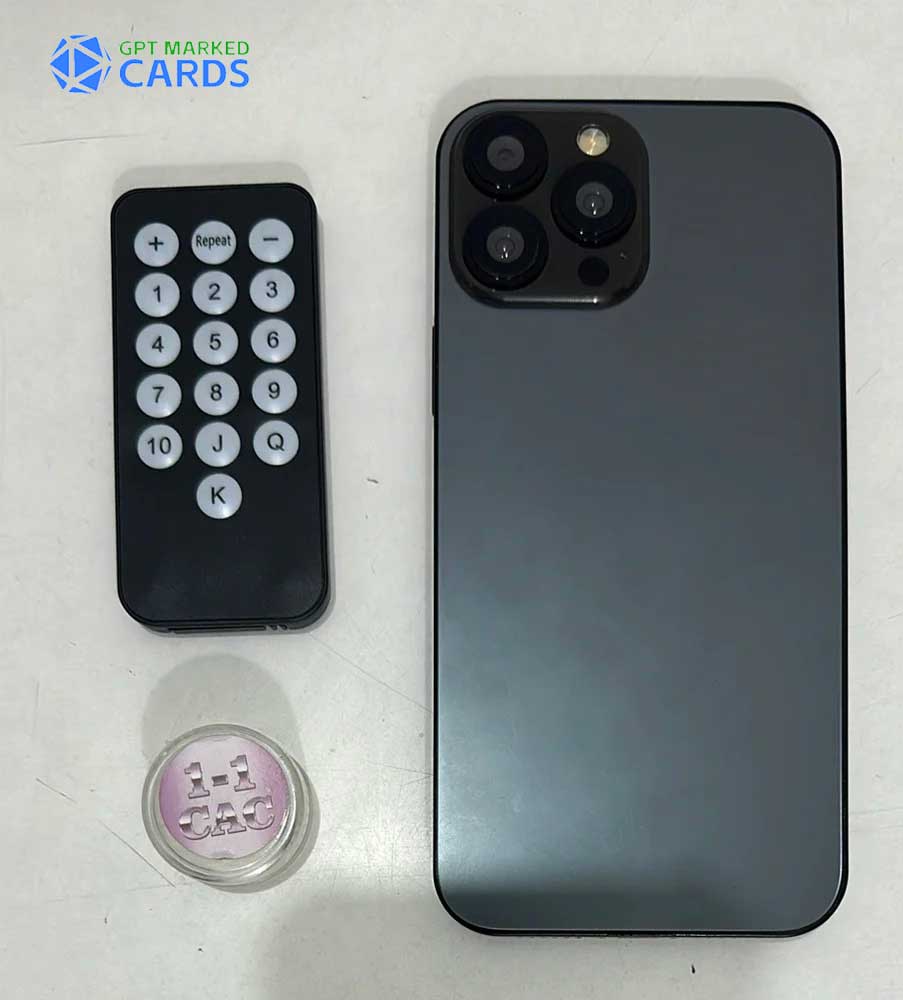
Battery performance is one of the most critical operational factors for any poker analyzer system deployed in professional or commercial environments. Whether the device is a dedicated handheld unit or a peripheral module integrated into an existing platform, power management determines uptime reliability, response consistency, and ultimately the confidence of operators in mission-critical scenarios. This article provides a comprehensive technical overview of battery architecture, power consumption patterns, and best practices for managing the power systems of modern poker analyzer hardware.
Modern poker analyzer devices are typically powered by lithium-polymer or lithium-ion cells, chosen for their high energy density, low self-discharge rates, and ability to deliver stable voltage under variable load conditions. The selection of battery chemistry directly influences several key performance parameters, including the device’s operational duration between charges, its ability to sustain peak processing loads during active scanning, and its longevity measured in charge cycles before capacity degradation becomes significant.

Battery Chemistry and Capacity Considerations
Lithium-polymer cells have become the dominant choice in compact poker analyzer hardware due to their form factor flexibility and relatively flat discharge curve. A typical high-capacity lithium-polymer cell rated at 3000 to 5000 milliampere-hours can sustain a poker analyzer device through an eight-hour operational shift, assuming moderate scanning frequency and standard display brightness settings. Devices that integrate continuous wireless transmission or high-frame-rate camera scanning will exhibit measurably higher power draw, often reducing effective runtime by thirty to forty percent under heavy use conditions.
Understanding the relationship between processing load and power consumption is essential for operators who need to plan device deployment schedules. During active scanning operations, when the device’s processor is executing real-time image analysis and the infrared barcode scanner is illuminating marked cards, power consumption can spike to three to four times the device’s idle draw. This dynamic power profile means that battery selection must account for peak load scenarios rather than average operational conditions.
Charging Infrastructure and Cycle Management
Proper charging practices significantly extend the useful life of poker analyzer batteries. Lithium-based cells are sensitive to deep discharge conditions and should never be routinely depleted below twenty percent of rated capacity. Many modern poker analyzer devices incorporate battery management systems that automatically throttle performance or enter a low-power preservation mode when charge levels drop below critical thresholds, but relying solely on these safeguards is not a substitute for disciplined charging schedules portable poker analyzer.
Using manufacturer-specified charging equipment is paramount. Third-party chargers may deliver incorrect voltage regulation or inadequate current limiting, leading to reduced cycle life, potential safety hazards, or inconsistent device performance. Fast charging capabilities, while convenient, generate additional thermal stress within battery cells and should be reserved for situations where rapid turnaround is operationally necessary rather than as a standard charging protocol.
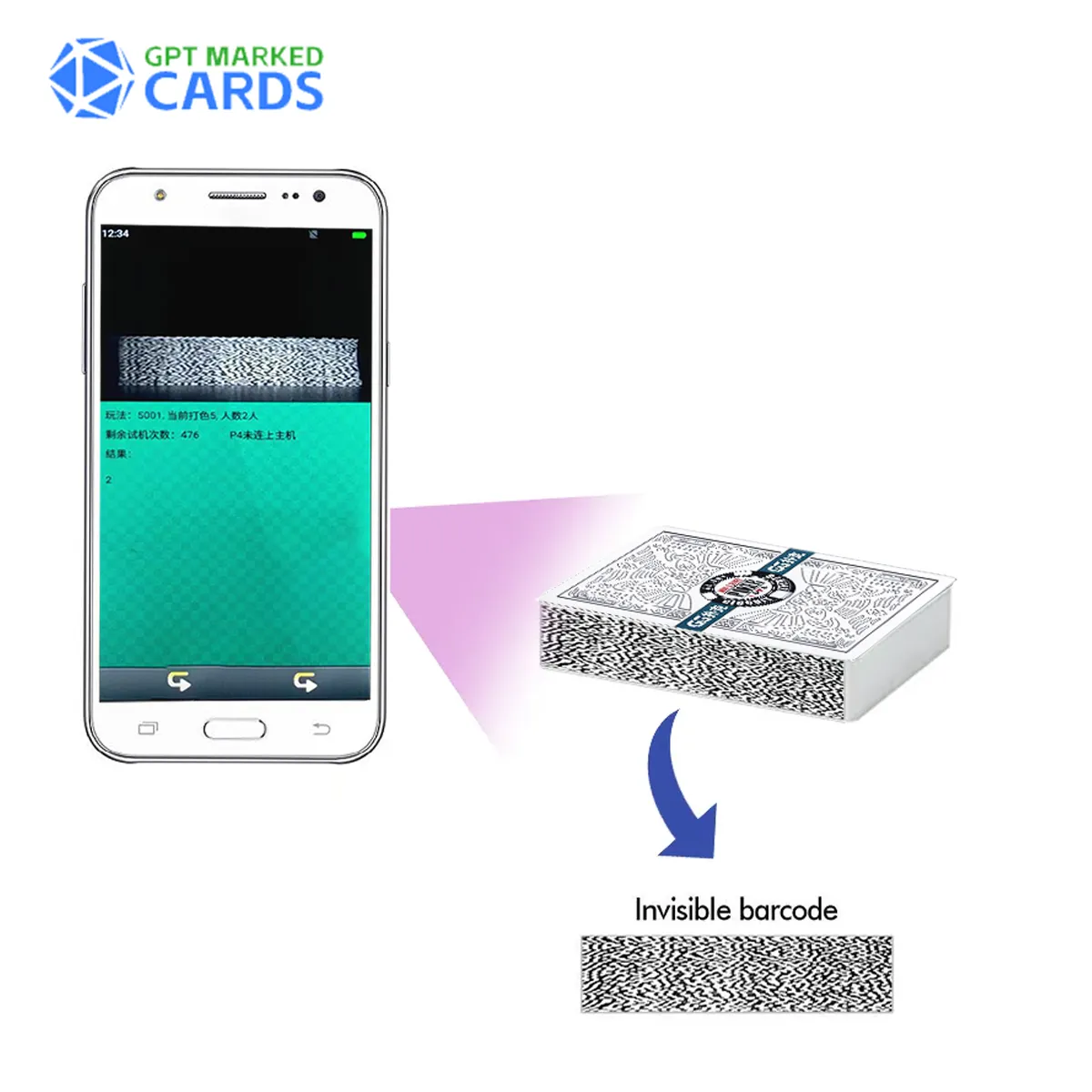
For commercial operators managing multiple devices, establishing a centralized charging station with individually monitored charging bays allows battery health tracking at the fleet level. Battery performance logs maintained over weeks or months can reveal cells that are degrading faster than expected, enabling preemptive replacement before a device fails during active operation.
Thermal Management and Environmental Factors
Temperature exerts a profound influence on battery performance and longevity. Lithium-polymer cells operate optimally within a ambient temperature range of fifteen to thirty-five degrees Celsius. Exposure to temperatures exceeding forty-five degrees Celsius, whether from direct sunlight, prolonged device operation, or inadequate ventilation during charging, accelerates electrochemical degradation and can permanently reduce cell capacity. Conversely, temperatures below freezing can temporarily reduce available capacity and impair the device’s ability to deliver peak current during high-demand scanning operations.
Poker analyzer devices used in outdoor tournament settings or in environments without climate control require particular attention to thermal management. Carrying cases with thermal insulation, shaded operational positions, and scheduled rest periods during peak heat hours all contribute to maintaining battery health and consistent device performance. Some advanced poker analyzer systems incorporate passive thermal management features such as heat-spreading substrates and thermally conductive housings, but these features complement rather than replace environmental awareness on the part of the operator.
Power Management Strategies for Extended Operations
Effective power management extends beyond battery selection and charging discipline to encompass how the device is configured and used during operations. Several operational adjustments can meaningfully extend effective battery life without compromising core functionality.
Display brightness reduction is the single most impactful configurable setting. Reducing screen luminosity from maximum to fifty percent can reduce power consumption by twenty-five to thirty percent, and most poker analyzer interfaces remain fully readable at reduced brightness levels in typical indoor lighting conditions. Disabling unnecessary wireless connectivity features when the device is not actively transmitting data to external displays or recording systems also yields meaningful power savings.
Developing operational protocols that account for power availability ensures that critical moments in a session are never compromised by a device shutting down unexpectedly. Establishing a charge level alert threshold, ideally no lower than thirty percent, provides a safety margin that allows the operator to gracefully conclude active operations and transition the device to charging before capacity becomes limiting.
Battery Monitoring and Diagnostic Indicators
Modern poker analyzer devices typically provide real-time battery status information through their operating interfaces. Voltage readings, remaining capacity percentages, and estimated runtime under current load conditions equip the operator with the information needed to make informed decisions about device deployment. Understanding the difference between nominal voltage and actual remaining capacity is important, as lithium-polymer cells exhibit voltage sag under load that can make state-of-charge estimates less reliable at higher discharge levels.
Advanced battery diagnostic features found in some poker analyzer systems include cycle count tracking, internal impedance measurements, and cell balance monitoring for multi-cell battery packs. These diagnostics enable proactive maintenance by identifying batteries that are approaching end-of-life before they fail in the field.
FAQ
How long does a fully charged poker analyzer battery typically last?
A quality lithium-polymer battery in a modern poker analyzer device typically provides six to ten hours of continuous operation, depending on usage intensity, scanning frequency, and display settings. Heavy scanning workloads may reduce this to four to six hours customplayingcardss.com.
What is the recommended charging practice for poker analyzer devices?
Charge devices when battery levels reach approximately twenty to thirty percent, and avoid leaving them connected to chargers after they reach full capacity. Use only manufacturer-specified charging equipment and avoid fast charging as a routine practice.
How can I extend the battery lifespan of my poker analyzer device?
Avoid deep discharge cycles, keep the device within optimal temperature ranges, reduce display brightness during normal operations, disable unused wireless features, and store devices at approximately fifty percent charge when not in use for extended periods.
When should a poker analyzer battery be replaced?
Replace batteries when they no longer hold their rated capacity, when they swell or exhibit physical deformation, when they discharge significantly faster than previously observed, or when the device powers off unexpectedly despite showing adequate charge levels.
Does extreme temperature affect poker analyzer battery performance?
Yes. High temperatures accelerate battery degradation, while cold temperatures temporarily reduce available capacity and can impair high-current delivery during peak scanning operations. Always operate and store poker analyzer devices within the manufacturer’s specified temperature range.