Texas Hold’em is the most popular poker variant in the world and, not coincidentally, the game for which poker analyzers are most extensively optimized. The game’s unique structure — two private hole cards plus five community cards revealed in stages — creates the perfect scenario for real-time analysis. Understanding how poker analyzers process Texas Hold’em specifically, and how the visualization tablet elevates multi-player awareness, is essential for anyone considering an analyzer investment.
Why Texas Hold’em Is Ideal for Analyzer Use
Several characteristics of Texas Hold’em make it particularly well-suited to analyzer technology compared to other poker variants.
The two-card starting hand structure means the analyzer only needs to read two barcode cards per player. With nine or ten players at a full table, the scanner captures 18 to 20 hole cards in approximately two seconds of total scanning time. This rapid initial read establishes the complete pre-flop landscape before any betting action begins.
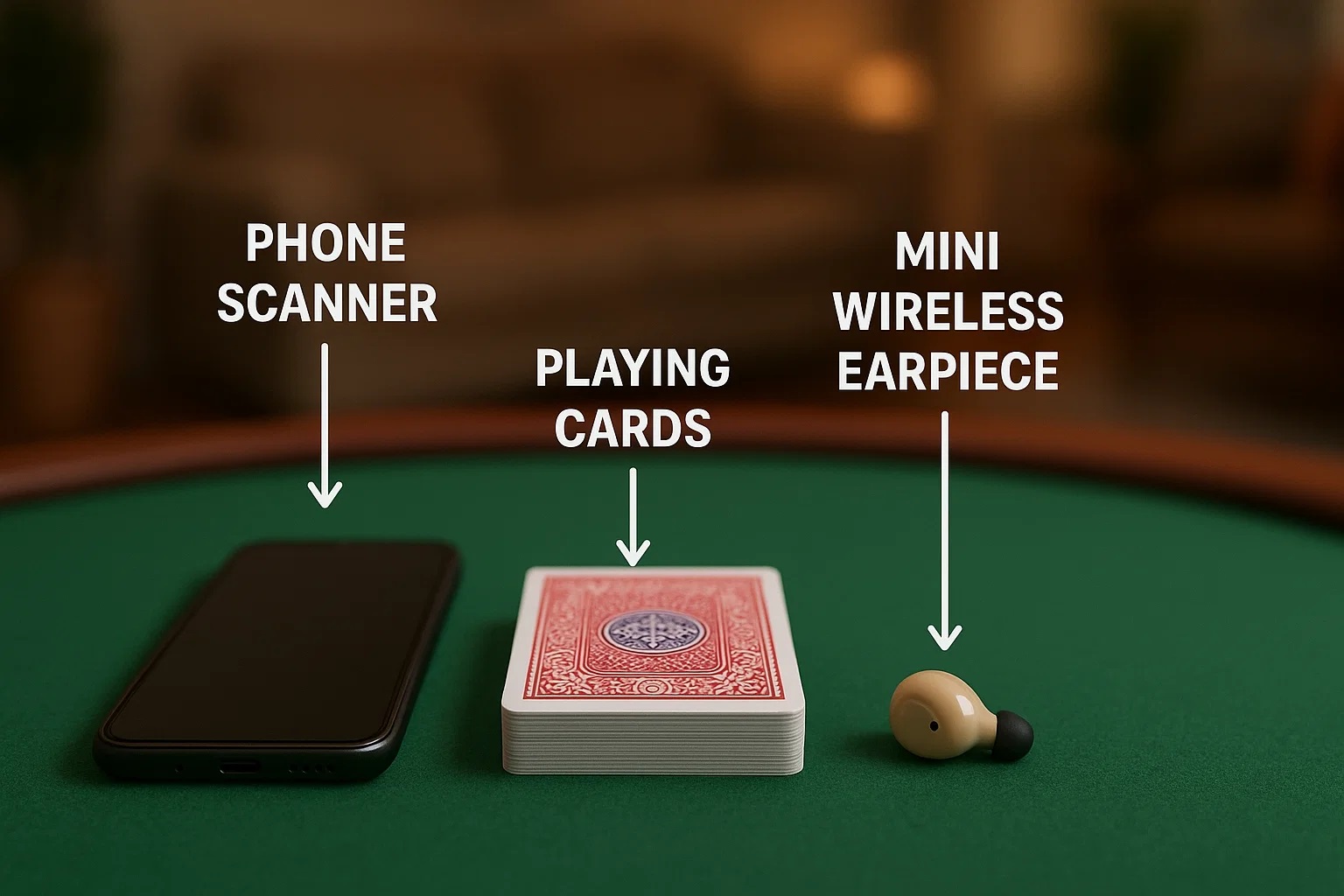
The progressive community card revelation — flop, turn, river — creates natural analysis stages where hand probabilities shift dramatically. The analyzer recalculates winning probabilities at each stage, providing updated information exactly when the player needs to make critical decisions. This staged structure aligns perfectly with how the analyzer software processes information.
Perhaps most importantly, Texas Hold’em’s community cards are visible to everyone. The analyzer does not need to read community cards from barcodes — the software knows which cards appear on the board because the player can input them manually or the analyzer can deduce them from the known hole cards and standard deck composition.
Pre-Flop Analysis: The Information Advantage
The pre-flop stage is where the poker analyzer provides its most dramatic advantage. Before any community cards are revealed, the analyzer has already read every player’s hole cards and calculated the exact winning probabilities.
This information transforms pre-flop decision-making. Rather than estimating hand strength based on starting hand charts and position, the player knows precisely where their hand ranks among all hands at the table. A pair of Kings is a strong starting hand in isolation — but if another player holds Aces, the analyzer reveals this before a single chip enters the pot.
The analyzer also identifies situations where multiple players hold strong but second-best hands. When three players hold premium starting hands, the analyzer recognizes the potential for a massive pot — and advises caution to the player holding the weakest of the three strong hands.
Community Card Integration
As the dealer reveals community cards, the analyzer continuously updates its calculations. This dynamic analysis is far more sophisticated than simple pre-flop hand ranking.
When the flop appears, the analyzer recalculates every player’s hand strength incorporating the three community cards. A seemingly weak starting hand may suddenly become the favorite after connecting with the flop. The player with top pair hears their status change from underdog to favorite in real time.
The turn and river each trigger further recalculation. The analyzer tracks not just current hand strength but also drawing potential — how many outs each player has to improve, and the probability of those outs appearing. This forward-looking analysis helps the player anticipate rather than react to changing hand dynamics.
The Visualization Tablet System
For Texas Hold’em played with the visualization tablet accessory, the analyzer’s output transcends simple audio announcements and delivers comprehensive visual awareness.
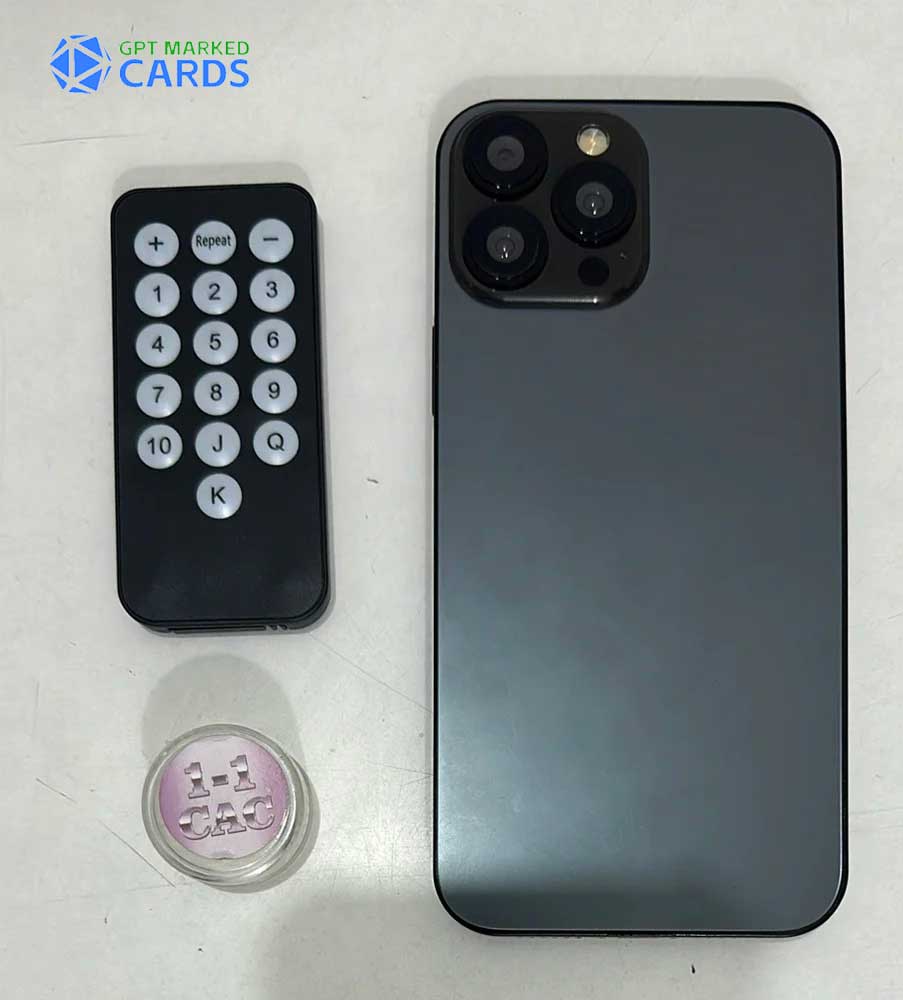
The visualization tablet is a dedicated display device that shows a graphical representation of the poker table with every player’s hole cards visible. Looking at the tablet is like seeing the game from a spectator’s perspective with all cards revealed — except the spectator knows the outcome before anyone at the table.
The tablet displays each player position with their two hole cards shown face-up. As community cards are dealt, they appear on the virtual board. The software highlights the current winning hand and ranks all other hands from strongest to weakest. Probability percentages update in real time as each new community card is revealed.
The tablet system supports multiple simultaneous tables, allowing one person to monitor several games at once. In environments where an observer can watch the tablet from a separate location, the player at the table receives audio-only updates while the observer sees the full visual picture and can communicate additional information through subtle signals Custom Playing Cards.
Multi-Player Hand Prediction
Beyond simply identifying the current winning hand, advanced analyzer software predicts how hands will develop as additional community cards appear. This predictive capability enables strategic planning several betting rounds ahead.
For example, the analyzer might report: “Player 3 currently leads with top pair, but Player 7 has an open-ended straight draw with eight outs. If a 7 or Queen appears on the turn, Player 7 becomes the favorite.” This level of detail allows the player to size bets based not just on current hand strength but on the probability that their opponent will improve.
The analyzer also identifies situations where no player has yet made a strong hand — the “no one has anything” scenario. In these situations, aggression often wins the pot regardless of actual hand strength, and the analyzer’s confirmation that opponents are equally weak emboldens the player to seize control of the betting.
Texas Hold’em vs Other Game Types
While poker analyzers support multiple game formats, Texas Hold’em remains the flagship application. Comparing Hold’em analysis to other game types illustrates why.
**Omaha** analysis is more complex due to the four-card starting hand and the requirement to use exactly two hole cards with three community cards. The analyzer must evaluate all possible two-card combinations from each player’s four hole cards — six combinations per player, multiplied by the number of players. This combinatorial explosion demands more processing power but is well within modern analyzer capabilities.
**Baccarat** analysis is comparatively simple. With only two hands (Player and Banker) and predictable drawing rules, the analyzer’s main contribution is knowing the exact card sequence before it is revealed. Baccarat analysis requires less sophisticated software but still benefits from the 0.1-second scan speed.
The analyzer’s value proposition peaks in Texas Hold’em due to the combination of hidden information (hole cards), progressive revelation (community cards), and multi-player dynamics (nine or ten opponents). No other common poker variant combines these elements to the same degree.
Optimizing Analyzer Use for Hold’em
Texas Hold’em analyzer users develop techniques specific to the game’s structure that maximize the technology’s advantage.
**Pre-flop positioning.** The critical scan window occurs when hole cards are dealt and players lift their cards to view them. This is when the barcode edges are most exposed. Positioning the scanner to capture this moment ensures complete pre-flop information before betting begins.
**Community card confirmation.** While the analyzer can deduce community cards from known hole cards, manual confirmation through the software interface eliminates any possibility of error. Some players input the flop cards through discreet touch gestures on the phone screen, while others rely on the software’s deduction capability.
**Bet sizing integration.** The most sophisticated analyzer software incorporates bet sizing recommendations based on hand strength and pot odds. When the analyzer announces hand strength, it may also suggest bet sizing ranges that extract maximum value while protecting against obvious betting patterns that reveal the player’s knowledge.
Frequently Asked Questions
**Does the analyzer tell me exactly what bet to make?**
Some advanced software includes bet sizing suggestions based on hand strength and pot odds. However, betting decisions should incorporate table dynamics, opponent tendencies, and the player’s overall strategy. The analyzer provides information — the player makes decisions.
**Can the visualization tablet be detected?**
The tablet is typically used by an observer in a separate location rather than at the table by the player. When used at the table, it should be concealed or disguised. The tablet’s screen brightness is adjustable for low-visibility operation.
**How does the analyzer handle split pots?**
When two or more players hold identical winning hands, the analyzer identifies the split pot scenario and announces it accordingly. The software calculates exact pot division amounts in chip games.
**Does the analyzer work for short-handed games?**
Yes. The analyzer adapts to any number of players from heads-up to full ring. Short-handed games actually process faster since fewer cards need to be scanned.
**Can I use the analyzer for online poker?**
Poker analyzers are designed for physical card games where barcode marked cards are in play. They cannot read cards in online poker where cards are virtual and no physical scanning is possible.