The poker analyzer market operates within a complex and fragmented global legal landscape. Operators, distributors, and serious buyers of infrared and barcode-scanning poker prediction devices must understand that legality varies dramatically across jurisdictions. This article provides a comprehensive technical and commercial legal overview for professionals evaluating the acquisition and deployment of poker analyzer systems, including AKK, CVK, and CAC series devices, barcode marked cards, and associated infrared earpiece communication systems.
Understanding the Legal Framework
The legal status of poker analyzer technology is not determined by the device itself but by the context in which it is used. In most countries, the core technology—infrared scanning, barcode reading, and predictive algorithm processing—has legitimate applications in security, logistics, and data processing. It is the application of this technology to gambling environments that triggers regulatory attention.
Gambling regulations generally fall into three categories: fully regulated, partially restricted, and outright prohibited. In fully regulated markets such as the United Kingdom, Australia, and many parts of Europe, gambling operators are subject to strict licensing requirements. The use of any device that provides an unfair advantage—commonly referred to as cheating devices—constitutes a criminal offense regardless of whether the operator holds a gambling license. The UK Gambling Commission’s framework explicitly prohibits devices that determine the outcome of a game or assist in predicting results, placing poker analyzers squarely in regulated territory.
In partially restricted markets, legislation may be ambiguous or inconsistently enforced. Countries such as India, where gambling laws vary by state, create a patchwork of regulations that can make the legal standing of poker analyzer possession and use unclear. Operators in these regions must conduct jurisdiction-specific due diligence before acquiring or deploying equipment.
Regional Legal Breakdown
North America
In the United States, the Wire Act and the Unlawful Internet Gambling Enforcement Act (UIGEA) govern interstate gambling transactions, but individual states maintain sovereignty over gambling regulation within their borders. Nevada, New Jersey, and Pennsylvania—major regulated gambling states—criminalize the use of cheating devices with specific statutes targeting devices that manipulate game outcomes. Federal law under the Computer Fraud and Abuse Act may also apply to electronic devices used to gain unauthorized advantage.

Canada’s Criminal Code classifies cheating at gambling as an indictable offense, with penalties that can include imprisonment. The Canadian framework treats possession of devices designed for cheating with the same severity as their actual deployment.
European Union
Within the European Union, member states maintain divergent gambling regulations despite efforts toward harmonization. Germany, following its 2021 Interstate Treaty on Gambling, enforces strict penalties for cheating device possession in licensed establishments. France’s Autorité de régulation des jeux en ligne (ARJEL) imposes equivalent restrictions. In contrast, some smaller EU jurisdictions have historically demonstrated limited enforcement capacity, though this is rapidly changing with increased cross-border cooperation among regulatory bodies.
Asia-Pacific
The Asia-Pacific region presents the most varied landscape. Macau, the world’s largest gambling market, treats cheating device possession as a serious criminal matter under its Penal Code, with operators facing license revocation and individual actors facing imprisonment. Singapore enforces its Remote Gambling Act with strict prohibitions, while the Philippines’ PAGCOR framework regulates but does not authorize advantage-play devices.
Emerging Markets
In Latin America and Africa, gambling regulation is evolving rapidly but remains inconsistent. Brazil’s regulated market framework does not yet fully address electronic cheating devices, though general fraud statutes apply. South Africa’s National Gambling Act prohibits devices that manipulate outcomes, though enforcement is concentrated in major urban centers.
Criminal vs. Civil Liability
Understanding the distinction between criminal and civil liability is essential for any organization or individual involved in the poker analyzer supply chain. Criminal liability attaches to the actual user of the device in a gambling context. Distributors and manufacturers may face accessory charges, conspiracy allegations, or trafficking offenses depending on the jurisdiction and the nature of their involvement.
Civil liability may arise from breach of contract, particularly in tournament settings where participants agree to rules prohibiting advantage devices. Tournament organizers have successfully pursued civil damages against players caught using analyzer systems.
Due Diligence Recommendations for B2B Buyers
Professional buyers evaluating poker analyzer technology for legitimate research, law enforcement, or regulatory compliance testing purposes should:
1. Verify jurisdictional legality in the final destination country before acquisition and again before deployment
2. Obtain written legal opinions from qualified attorneys in relevant jurisdictions
3. Document the intended use case comprehensively, as this may serve as a defense in regulatory inquiries
4. Review import/export regulations, particularly regarding dual-use technology under export control regimes
5. Conduct supply chain audits to ensure components do not violate international sanctions or restricted technology frameworks
6. Maintain equipment provenance records documenting the chain of custody from manufacturer to end user
7. Implement operational security protocols that limit exposure of device specifications and capabilities to unauthorized parties
Import and Export Controls
Many jurisdictions control the export and import of gambling-related technology under broader economic sanctions and technology transfer frameworks. The United States Export Administration Regulations (EAR) classify certain electronic devices and optical sensors that have applications in gambling equipment. Similar frameworks exist in the European Union, Japan, South Korea, and other advanced manufacturing economies.
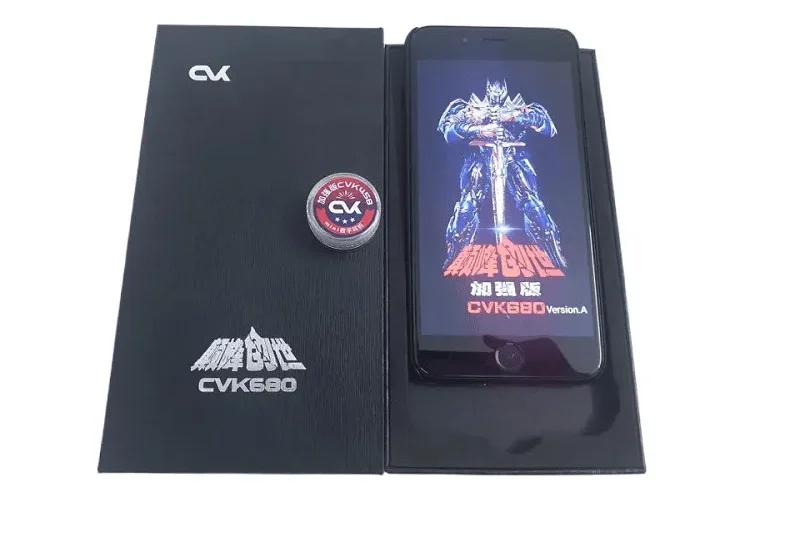
Buyers operating across international borders must verify that their procurement and logistics arrangements comply with relevant export and import controls. This includes customs classification of poker analyzer components, end-user certification requirements, and any licensing requirements for transboundary technology transfer.
Anti-Money Laundering Considerations
High-value gambling transactions frequently attract anti-money laundering (AML) regulatory scrutiny. Poker analyzer equipment transactions, due to their typically cash-based and internationally distributed nature, may trigger AML reporting requirements in certain jurisdictions. B2B buyers should maintain thorough transaction records that demonstrate the legitimate provenance of equipment purchases.
International Treaty Obligations
Several international agreements affect the cross-border movement and use of gambling-related technology. The United Nations Convention against Transnational Organized Crime provides a framework under which sophisticated gambling cheating devices may be treated as proceeds of crime or tools used in furtherance of criminal enterprises. Interpol cooperation agreements enable information sharing about known international operators of illegal gambling equipment.
The Financial Action Task Force (FATF) recommendations on anti-money laundering provide guidelines that many countries have incorporated into domestic legislation, creating additional reporting and compliance obligations for transactions involving gambling-related technology. Operators engaged in cross-border procurement should understand how these international frameworks apply to their specific circumstances pokeranalyzershop.com.
Risk Assessment Framework
Professional risk assessment for poker analyzer technology engagement should evaluate:
– Jurisdiction-specific legal risks: The applicable laws and regulations in each relevant jurisdiction, including criminal penalties, civil liability exposure, and regulatory enforcement patterns
– Enforcement probability: The likelihood of enforcement action based on historical enforcement patterns, current regulatory priorities, and the visibility of the planned operation
– Sentencing severity: The potential consequences of conviction, including imprisonment terms, financial penalties, and collateral consequences such as asset forfeiture and professional licensing revocation
– Supply chain risk: The legal exposure associated with each participant in the procurement and distribution chain
– Reputational risk: The non-legal consequences of association with gambling equipment technology, including professional reputation damage and relationship impacts
This framework should be reviewed annually or whenever there is a significant change in the legal or regulatory environment affecting the relevant jurisdictions.
Technology Classification and Regulatory Loopholes
Certain jurisdictions classify poker analyzer technology under broader categories such as “optical sensors,” “data processing equipment,” or “surveillance technology.” These classifications can create gray areas in which possession of components is legal while assembly into a functional system is not. Professionals should be aware that partial compliance—owning individual components without the complete system—does not guarantee legal standing.
The rapidly evolving nature of gambling regulation means that what is permissible today may become prohibited with minimal notice. Operators should establish ongoing legal monitoring processes rather than treating initial compliance as permanent.
Penalties and Enforcement Trends
Modern enforcement is increasingly sophisticated. Casino surveillance systems in regulated markets now incorporate AI-based anomaly detection that can identify patterns consistent with analyzer device usage—including unusual betting timing, inconsistent player behavior, and statistical deviations from normal game flow. Regulatory bodies in major gambling jurisdictions have established intelligence-sharing agreements that allow information about known cheating device operators to circulate across borders.
Penalties for conviction range from administrative fines in minor cases to criminal prosecution with imprisonment terms exceeding five years in serious jurisdictions such as Macau, Singapore, and the United Kingdom. Supply chain participants face increasing scrutiny, with several major distributors facing prosecution in 2023 and 2024 for knowingly supplying equipment to illegal gambling operations.
Conclusion
The legal landscape for poker analyzer technology demands rigorous compliance discipline from every participant in the supply chain. B2B buyers and distributors must treat legal compliance not as an afterthought but as a foundational element of their business operations. Given the severity of penalties and the speed of regulatory evolution, professional legal counsel should be a mandatory component of any poker analyzer acquisition or distribution strategy.
Frequently Asked Questions
Q: Is it legal to own a poker analyzer for personal research purposes?
A: Possession laws vary by jurisdiction. In many countries, possession of a device designed for cheating at gambling is itself illegal regardless of intended use. Consult qualified legal counsel before acquisition.
Q: Can poker analyzer technology be imported legally?
A: Import regulations depend on both the origin country and destination country. Many nations classify these devices as gambling equipment or cheating devices subject to import restrictions.
Q: Are there any legitimate uses for poker analyzer technology?
A: Legitimate research applications may include academic study of gambling behavior, law enforcement training, and regulatory compliance testing in licensed environments under strict authorization.
Q: What happens if a distributor is found supplying these devices to illegal gambling operations?
A: Distributors may face criminal charges including conspiracy, trafficking in cheating devices, and accessory to fraud, depending on the jurisdiction and evidence of knowledge or intent.
Q: How are enforcement agencies detecting poker analyzer use in casinos?
A: Modern detection methods include AI-powered surveillance analytics, statistical anomaly detection in betting patterns, and increased staff training to identify behavioral indicators of device use.