What Is a Poker Analyzer?
A poker analyzer is a sophisticated electronic device designed to determine the outcome of a poker game before cards are fully dealt. Disguised as an ordinary mobile phone, it integrates a high-speed camera, a powerful processing chip, and wireless transmission technology to scan, decode, and relay game results to the user in real time. For wholesalers and distributors, understanding how these systems work — and how to match the right model to the right customer — is essential for building a profitable product lineup.
Unlike traditional marking systems that rely on visible patterns or infrared ink read by contact lenses, a poker analyzer operates through an entirely different mechanism. It reads invisible barcodes printed on the edges of specially marked playing cards, processes the data through an embedded algorithm, and sends the result — typically the winning seat number or hand ranking — to a Bluetooth earpiece. The entire cycle, from scan to result, completes in approximately 0.1 seconds, making the system both fast and discreet.
How Does a Poker Analyzer Work?
The operation of a poker analyzer involves four critical stages:
Scanning. The built-in camera (or an externally connected scanner) captures the barcode markings along the edge of each card as it is dealt or shuffled. The effective scanning distance ranges from 25 cm to 45 cm depending on the model and camera configuration. This range allows the device to read cards placed on a standard poker table without requiring the user to hold or touch them.
Decoding. The analyzer’s processor interprets the barcode pattern, which encodes the suit and rank of each card. Every marked deck is uniquely coded, so the analyzer must be preloaded with the corresponding deck profile to ensure accurate readings.
Analysis. Once all visible cards have been decoded, the software runs the game algorithm. For Texas Hold’em, it calculates hand strengths and predicts the winning player. For Omaha, it evaluates the four-card hand against the community board. The system supports multiple game types and can switch between them through the device interface.
Transmission. The result is sent wirelessly to a hidden earpiece via Bluetooth. The user hears a brief audio signal — typically a number corresponding to the winning seat — and can act on that information instantly. No visual cues are needed, and no one at the table can detect the communication.
Key Factors in Choosing a Poker Analyzer
Selecting the right analyzer model depends on several factors that directly impact usability, discretion, and customer satisfaction. Distributors should evaluate each factor against their target market’s needs.
Scanning Distance
The scanning distance determines how far the device can be from the cards while still reading barcodes accurately. Entry-level models typically offer a 20–30 cm range, which works well for intimate games where the device sits close to the table. Premium models extend this to 35–45 cm, accommodating larger tables or situations where the user prefers to keep the device farther away. For wholesale buyers, stocking both ranges ensures coverage across different customer scenarios.

Analysis Speed
Speed is measured as the time between scanning and result delivery. The industry standard for high-end analyzers is 0.1 seconds. Slower models — taking 0.3 to 0.5 seconds — may suffice for casual games but risk detection in fast-paced environments. For professional-grade demand, insist on models that guarantee sub-0.2-second response times.
Device Platform and Disguise
Poker analyzers are built into real smartphone shells to avoid suspicion. The two primary platforms are Android (AKK series) and iPhone (CVK series). The choice of platform matters because it affects how naturally the device blends into the user’s everyday life. A player who normally carries an Android phone would attract attention by suddenly using an iPhone, and vice versa. Stocking both platforms allows distributors to match the device to the customer’s existing phone ecosystem.
Game Compatibility
Not all analyzers support the same game types. Texas Hold’em is universally supported, but Omaha, Baccarat, and other variants require specific software modules. When sourcing inventory, verify that each model supports the game types most popular in your target region. Some models, like the AKK A4 and A6, offer multi-game support out of the box, while others may require firmware updates or additional configuration.
Concealment and Build Quality
The best analyzers are indistinguishable from genuine smartphones. Weight, screen responsiveness, button placement, and even packaging should match the original device. Low-quality knockoffs with misaligned buttons or off-weight shells are a liability — they draw attention and erode customer trust. Prioritize suppliers who use authentic phone shells and maintain strict quality control.
Comparing the Major Product Lines
AKK Series — Android-Based Versatility
The AKK line (A1, A2, A4, A6) runs on Android smartphone platforms and is known for its broad game compatibility and reliable performance. These models appeal to customers who prefer Android devices and need multi-game support. The A4 and A6 models, in particular, offer advanced scanning algorithms and extended distance capabilities, making them suitable for professional use.
CVK Series — iPhone Integration
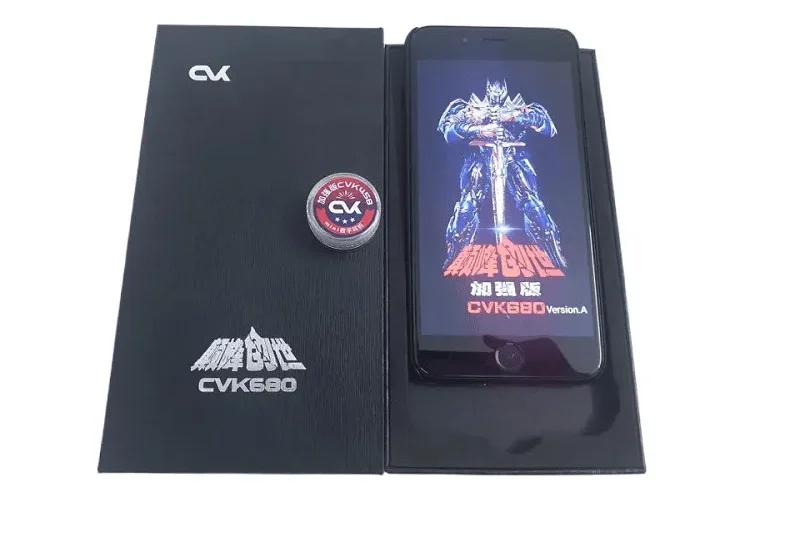
The CVK line (400, 500, 600, 680) is built into iPhone housings and designed specifically for users within the Apple ecosystem. CVK analyzers are favored for their seamless Bluetooth integration with wireless earpieces and their polished, factory-grade appearance. The CVK 680 represents the latest evolution with improved scan accuracy and faster processing.
CAC Poker Cheating Analyzer — Maximum Discretion
The CAC analyzer prioritizes concealment above all else. Its compact form factor and minimalist interface make it ideal for situations where even holding a phone might raise eyebrows. It trades some advanced features for an ultra-low profile, appealing to a niche but loyal customer segment.
LD Poker Now Analyzer — Budget Entry Point
The LD model offers core analyzer functionality at a lower investment threshold, making it an attractive option for first-time buyers and markets where budget sensitivity is high. While it lacks some premium features like extended scanning distance, it delivers reliable basic performance.
Recommendations by Scenario
High-stakes private games. AKK A6 or CVK 680. Both offer top-tier scanning accuracy, fast analysis, and professional-grade build quality. The A6’s Android platform provides flexibility, while the CVK 680 excels in iPhone environments.
Casual or social games. AKK A1 or LD Poker Now Analyzer. These entry-to-mid-range models deliver dependable performance without the premium investment. Ideal for customers testing the market.
Maximum concealment required. CAC Poker Cheating Analyzer or AKK A2. The CAC’s minimalist design and the A2’s compact Android shell both offer excellent discretion.
Omaha specialists. AKK A4 or the dedicated Omaha Poker Hand Analyzer App. These models provide optimized Omaha algorithms with accurate four-card hand evaluation.
Online or hybrid play. The Online Poker Hand Analyzer provides cloud-based analysis without requiring physical card scanning, serving customers who operate in digital environments.
Building a Profitable Product Portfolio
For distributors, the key to success is offering a curated selection rather than overwhelming customers with every available model. A recommended starter inventory includes one Android model (AKK A4), one iPhone model (CVK 500 or 600), one budget option (LD Poker Now), and one high-end option (CVK 680 or AKK A6). This covers the major market segments while keeping inventory costs manageable.
Pairing analyzers with compatible accessories — marked decks, earpieces, and external cameras — creates bundle opportunities that increase average order value and improve customer retention.
Shipping, Storage, and Handling Considerations
For distributors managing inventory across regions, proper handling of poker analyzer systems is critical. Analyzers should be stored in climate-controlled environments — extreme heat can affect camera sensor calibration, while humidity can degrade the external shell materials over extended periods. Marked decks, in particular, require dry storage conditions to maintain barcode integrity.
When shipping internationally, be aware that poker analyzers are electronic devices and may be subject to import regulations depending on the destination country. Discreet packaging that does not advertise the product’s function is standard practice among reputable suppliers. Distributors should work with logistics partners experienced in handling specialty electronics to ensure smooth customs clearance pokeranalyzershop.com.
Inventory rotation is also important. Because marked decks have a finite shelf life, distributors should implement a first-in-first-out (FIFO) system for deck inventory. Analyzers have a longer shelf life but should be tested periodically to ensure firmware is current and all components are functional before sale.
FAQ
What is the minimum order quantity for wholesale poker analyzers?
Minimum order quantities vary by supplier, but most manufacturers offer wholesale pricing starting from 5 to 10 units. Custom branding and packaging options are typically available at higher volumes.
Do poker analyzers work with any deck of cards?
No. Poker analyzers require specially marked decks with invisible barcode encoding on the card edges. Each analyzer must be configured to match the specific barcode pattern of the marked deck being used. Most suppliers offer matched deck-and-analyzer packages.
How long does the battery last on a typical poker analyzer?
Since analyzers are built into real smartphone shells, battery life matches that of the original device — typically 6 to 10 hours of active use. Standby time extends to 24–48 hours depending on the model and Bluetooth usage.
Can the scanning camera be replaced or upgraded?
Yes. Most analyzers support external scanner cameras that connect wirelessly. These external cameras can be hidden in everyday objects like watches, power banks, or cigarette packs, offering greater flexibility in scanning angle and distance.
Is it possible to switch between game types on the same analyzer?
Most mid-range and premium models support multiple game types, including Texas Hold’em, Omaha, and Baccarat. Switching is done through the device’s settings menu. Entry-level models may be limited to one or two game types.
How should distributors handle warranty and after-sales support?
Partner with suppliers who offer at least a 12-month warranty and provide remote technical support. Given the specialized nature of the product, having a supplier who can troubleshoot firmware issues and provide replacement marked decks is critical for maintaining customer satisfaction.
Can one analyzer work with multiple brands of marked decks?
Yes, provided the appropriate deck profile for each brand is loaded onto the analyzer. Most analyzers can store multiple deck profiles simultaneously and allow the user to switch between them. This is particularly useful for customers who operate in different venues that use different card brands.